Program
2021 Summer School
Realizing the Energy Transition
Connecting renewables to the electricity grid: measurements supporting the Energy Transition
July 6, 2021, 9:45 a.m.
Our electricity grid is a key enabler of the energy transition towards a decarbonized sustainable energy infrastructure. The massive connection of renewable energy sources such as wind and solar, however, creates new challenges to ensure grid stability and grid quality. In this presentation, we give an overview of the measurement support that is required to ensure a secure and high-quality electricity supply under the increased connection of renewable energy sources. This will among others cover phasor measurement units and digital instrumentation for grid monitoring and control, ensuring correct metering under highly polluted grid conditions, measurement of power quality up to the supraharmonics range, and reliable efficiency measurements of power transformers.
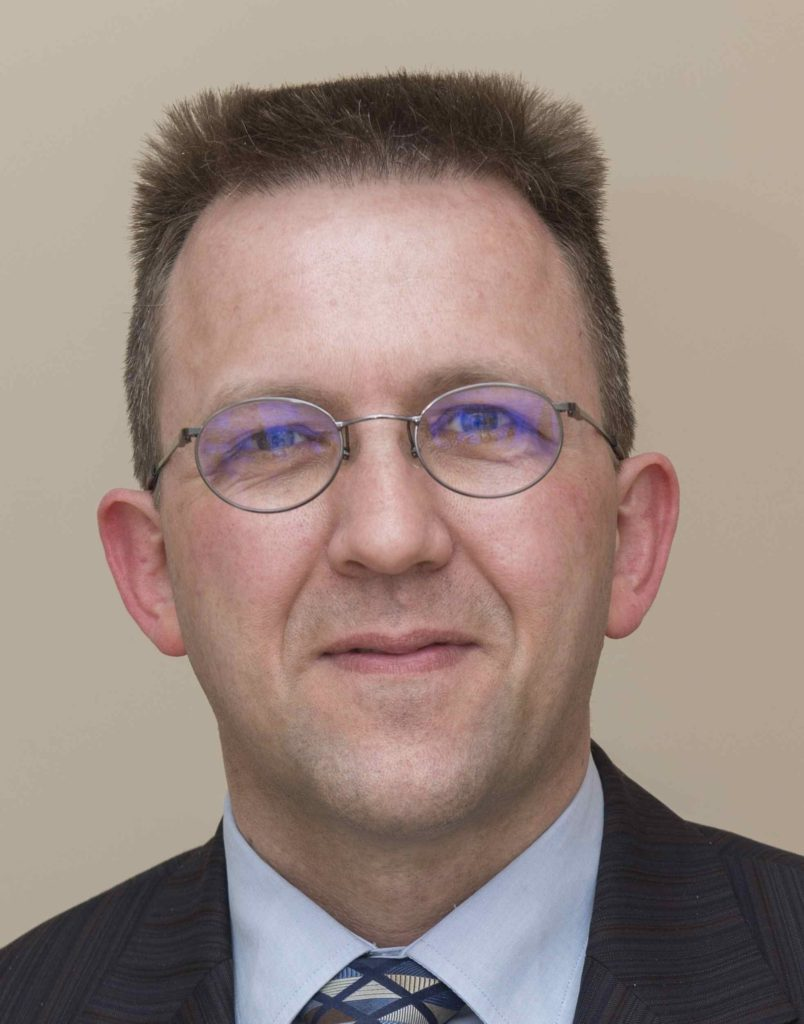
Gert Rietveld has a PhD in applied physics and is chief scientist in the electricity and time department of VSL, the national measurement institute of the Netherlands. He has been active for more than 25 years in the area of electrical metrology, where his present work focuses on precision measurements for power and energy, and particularly metrology for smart electricity grids. In addition, he holds the chair on “Power and Energy Measurement Systems” at the University of Twente where he works on precision measurements on batteries, of efficiency, and in electricity grids.
2021 Summer School – Round table on challenges and opportunities in realizing the energy transition
July 6, 2021, 11 a.m.
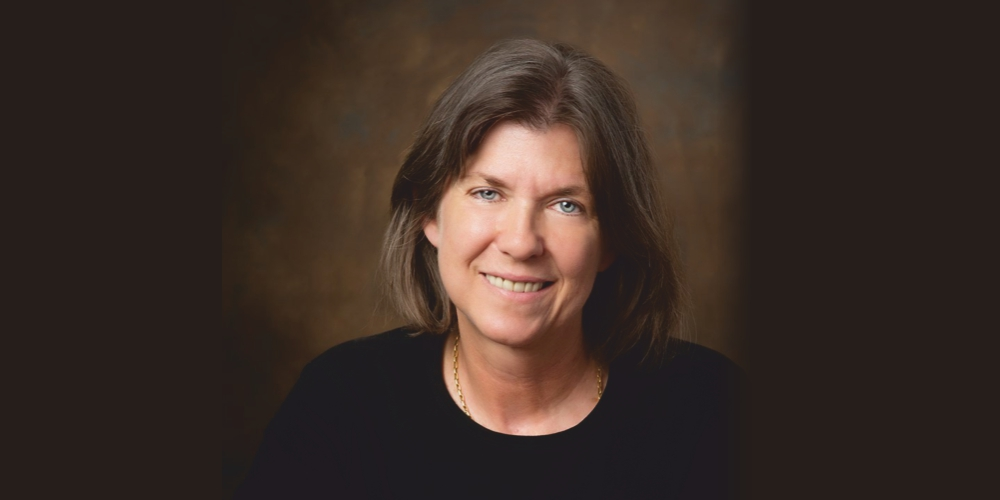
Judith Curry
Judith Curry is President and co-founder of Climate Forecast Applications Network (CFAN). Following an influential career in academic research and administration, Dr. Curry founded CFAN to translate cutting-edge weather and climate research into forecast products that support the mitigation of weather and climate risk for public and private sector decision makers. She received a PhD in atmospheric science from the University of Chicago and has held faculty positions at the Georgia Institute of Technology, the University of Colorado Boulder, Penn State University, and Purdue University. She currently holds the position of Professor Emerita at Georgia Tech. Dr. Curry’s research interests span a range of topics in weather and climate. She has authored over 180 scientific papers, and is author of the textbooks Thermodynamics of Atmospheres and Oceans and Thermodynamics, Kinetics and Microphysics of Clouds. She is a Fellow of the American Meteorological Society, the American Association for the Advancement of Science, and the American Geophysical Union. Dr. Curry is actively engaged at the intersection of science and public policy and is frequently called upon to give Congressional testimony and serve as an expert witness on matters related to weather and climate.
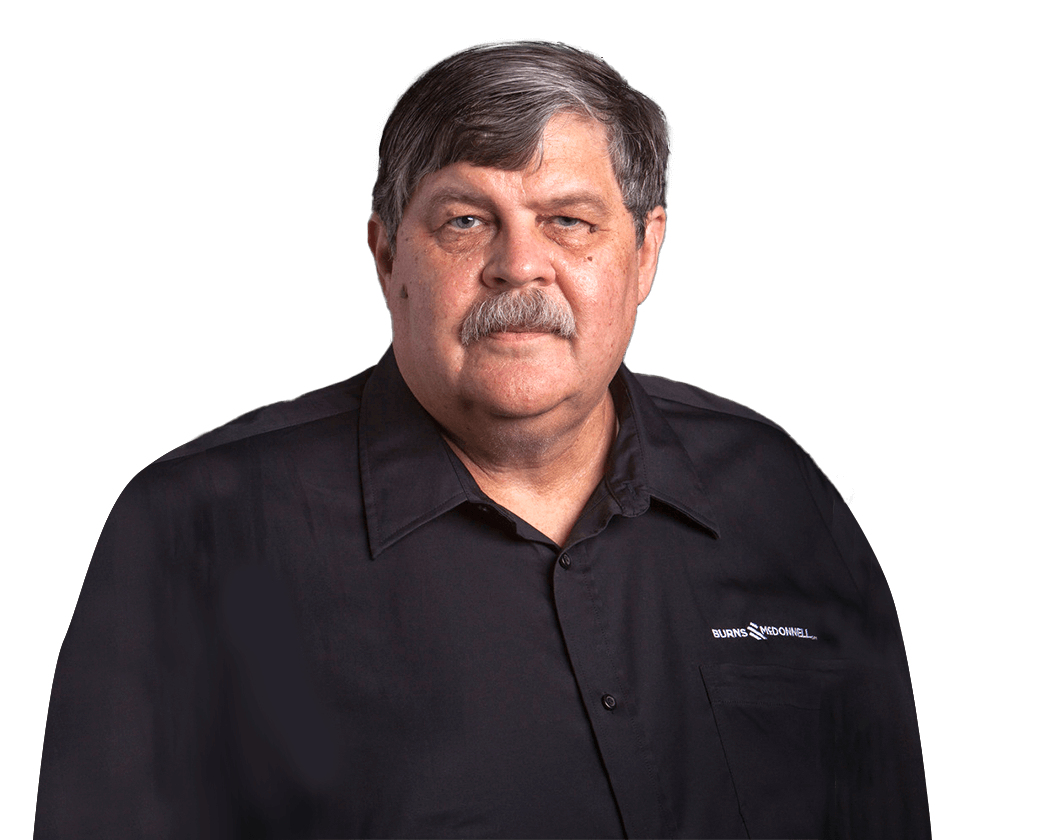
Doug Houseman
Doug Houseman is the Chair of the IEEE PES Intelligent Grid and Emerging Technology Coordinating Committee. He has worked in 70 countries on energy issues. He is the lead author of the Distribution Utility Technology Roadmap published by CEATI. With more than 40 years in the industry he has watched the evolution of power generation from the 1970s where solar PV was $15 a watt to today when it can be purchased for $0.40 a watt. His blog on LinkedIn has more than 10,000 followers. Doug teaches non-battery storage, Green Hydrogen, the Distribution System, Generation economics, and more for IEEE, EUCI and other organizations. He is seldom shy.
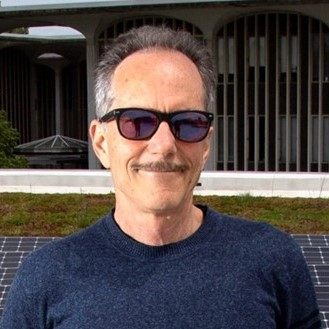
Richard Perez
Richard Perez leads solar energy research at University at Albany State University of New York Atmospheric Sciences Research Center. He has served multiple terms on the board of the American Solar Energy Society and as associate editor of Solar Energy Journal. He has produced over 250 journal articles, conference papers, books & chapters. He holds patents on energy storage, and load management using photovoltaics. He has received several international awards including a Certificate for Outstanding Research from the US Department of Energy, American Solar Charles Greeley Abbot Award; the First International Building and Daylight Award from the Velux Foundation, and International Solar Society’s Farrington Daniels Award, for outstanding contributions in science, technology and engineering of solar energy applications which lead to enhancing our world and the conditions of human kind.
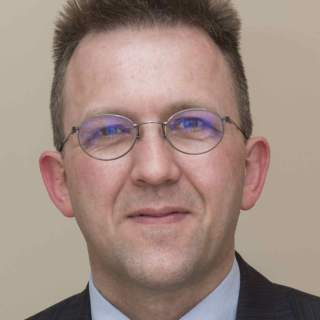
Gert Rietveld
Gert Rietveld has a PhD in applied physics and is chief scientist in the electricity and time department of VSL, the national measurement institute of the Netherlands. He has been active for more than 25 years in the area of electrical metrology, where his present work focuses on precision measurements for power and energy, and particularly metrology for smart electricity grids. In addition, he holds the chair on “Power and Energy Measurement Systems” at the University of Twente where he works on precision measurements on batteries, of efficiency, and in electricity grids.
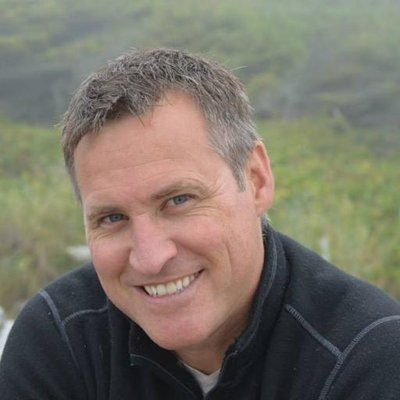
Geoff Wright
Geoff Wright is the Vice President of Strategic Partnerships at Brookfield Renewable, responsible for the global group’s commercial partnerships around utility-scale renewable, distributed generation and innovations business. Geoff is an economist and a systems thinker. Having spent 10 years at the Canadian central bank and 10 years in both conventional and renewable energy, Geoff has a deep appreciation for the technical and institutional conditions necessary to enable the profound transitions currently underway in our energy systems. Geoff is based in Gatineau, Québec and sits on the Board of QUEST, a national non-government organization that works to accelerate the adoption of efficient and integrated community-scale energy systems in Canada by informing, inspiring, and connecting decision-makers. Geoff also sits on the Board of the Friends of Iceland (Ottawa), a not-for-profit organization that promotes cultural exchanges between the “western cousins” and the families and friends that remain in Iceland.
2021 Summer School – Annual Challenge
Small teams of two to four undergraduate and graduate students as well as postdoctoral fellows from the University of Ottawa, Université de Sherbrooke and McMaster University will be formed during the Summer School. Over the course of the summer, each team will analyze future prospects for new devices or systems, drawing together science, engineering, and economic analysis. Teams will report back via videoconference on September 2, 2021 and a panel of judges will pick the winning team.
Kickoff: July 6, 2021, 1:30 p.m.
Work period: July 8, 2021, 2:15 p.m.
Presentations: September 2, 2021, 1 p.m.
2021 Summer School – Social Event
Get to know your fellow TOP-SET trainees while playing mini-games from Jackbox and more!
2021 Summer School – Writing for Scientific Communications
July 7 and 8, 2021, 9:00 to 12:00
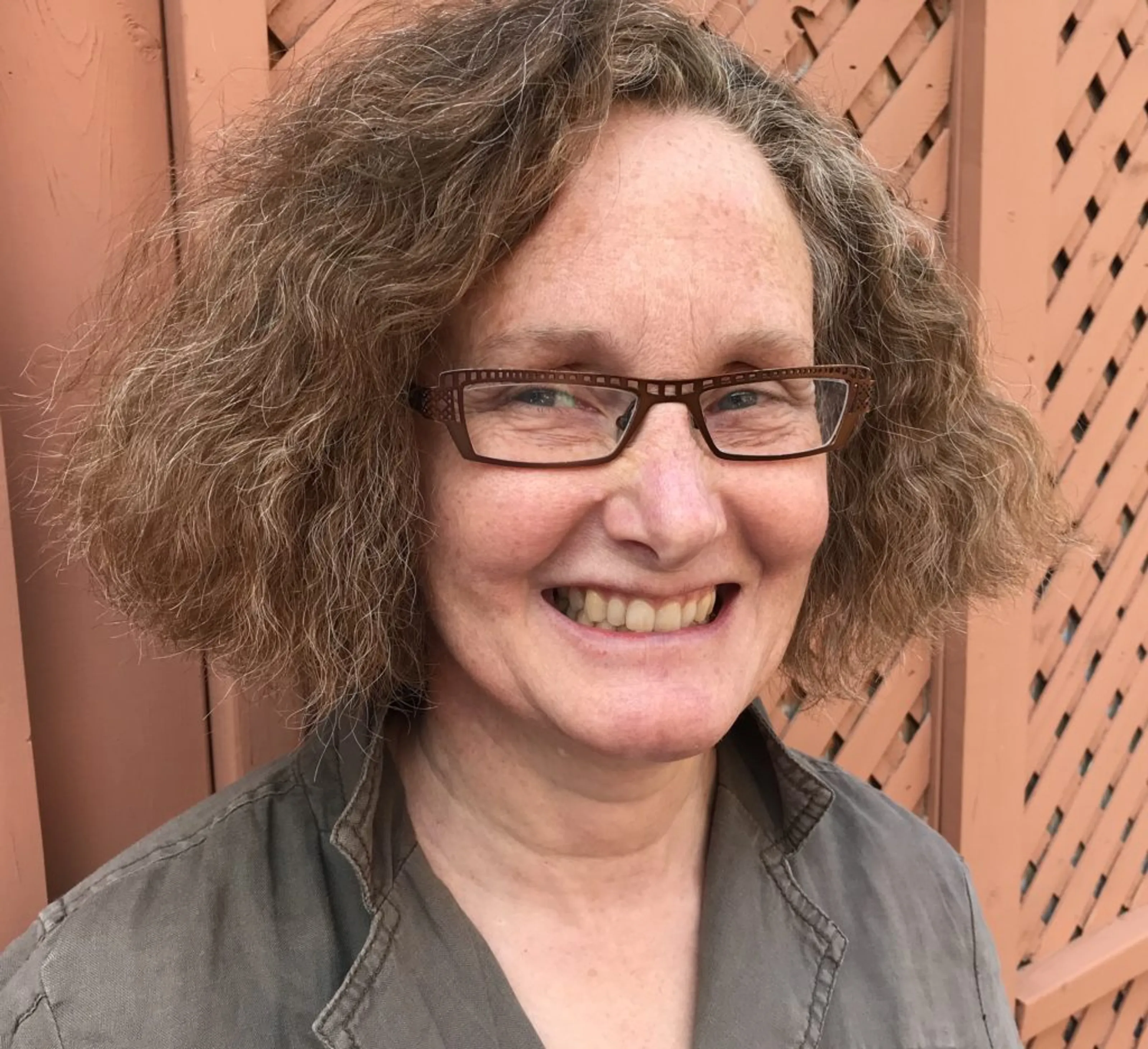
Carolyn Brown is a Certified Professional Editor (Editors Canada) and certified Editor in the Life Sciences (Board of Editors in the Life Sciences). She has edited a wide variety of material for 35 years, specializing in scientific and medical publications for the past 25 years. She is the author of the chapter on citation in Editing Canadian English, 2nd edition, and a perennial seminar leader. She developed an online course on stylistic editing for continuing education at Queen’s University, Kingston, Ont. She is also a scientific and medical writer and consultant on electronic publishing.
TOP-SET trainees only. Limited seats
2021 Summer School – NREL SAM
July 7, 2021, 1 p.m.
We recognize the support of the National Renewable Energy Laboratory in organizing this workshop
The System Advisor Model (SAM) is a model to help evaluate the system design and economic feasibility of a renewable energy project. It performs a time-series simulation of a solar, wind, marine energy, or other type of renewable energy system to calculate its electrical output, and runs an annual cash flow model to calculate the financial cost and benefit of the project. SAM is used around the world for project feasibility studies, policy design, research, and education. The U.S. Department of Energy’s National Renewable Energy Laboratory (NREL) develops the software and distributes it for free on the SAM website.
This two-hour workshop consists of a short presentation describing SAM and its capabilities followed by a demonstration and discussion of its photovoltaic modeling capabilities for different kinds of solar energy projects. To prepare for the workshop, download and install SAM, start the software and follow the instructions to register it.
2021 Summer School – What are NSERC CREATE TOP-SET professors up to?
July 8, 2021, 1 p.m.
Moderator: Marziyeh Zamiri, University of Ottawa
Have you been wondering about TOP-SET professors’ research? Join us for a lively discussion. We will devote the first 20 minutes to brief presentations by each professor and the last 40 minutes to a round table discussion. Our guests will include Maxime Darnon, Karin Hinzer, Rafael Kleiman, Jacob Krich, Ray LaPierre, Henry Schriemer et David Wright. Bring your questions!
2021 Summer School – Intellectual Property
July 9, 2021, 9 a.m.
This 60-minute presentation will be followed by a 30-minute Q&A. The presentation will cover the following key aspects of intellectual property:
Licensing versus spin-offs
Patent protection, management and commercialization;
Funding structure to support technology development;
Funding of spin-off through different mechanisms such as venture capital and angel investment.
This activity is offered by the following members of the University of Ottawa Innovation Support Services:
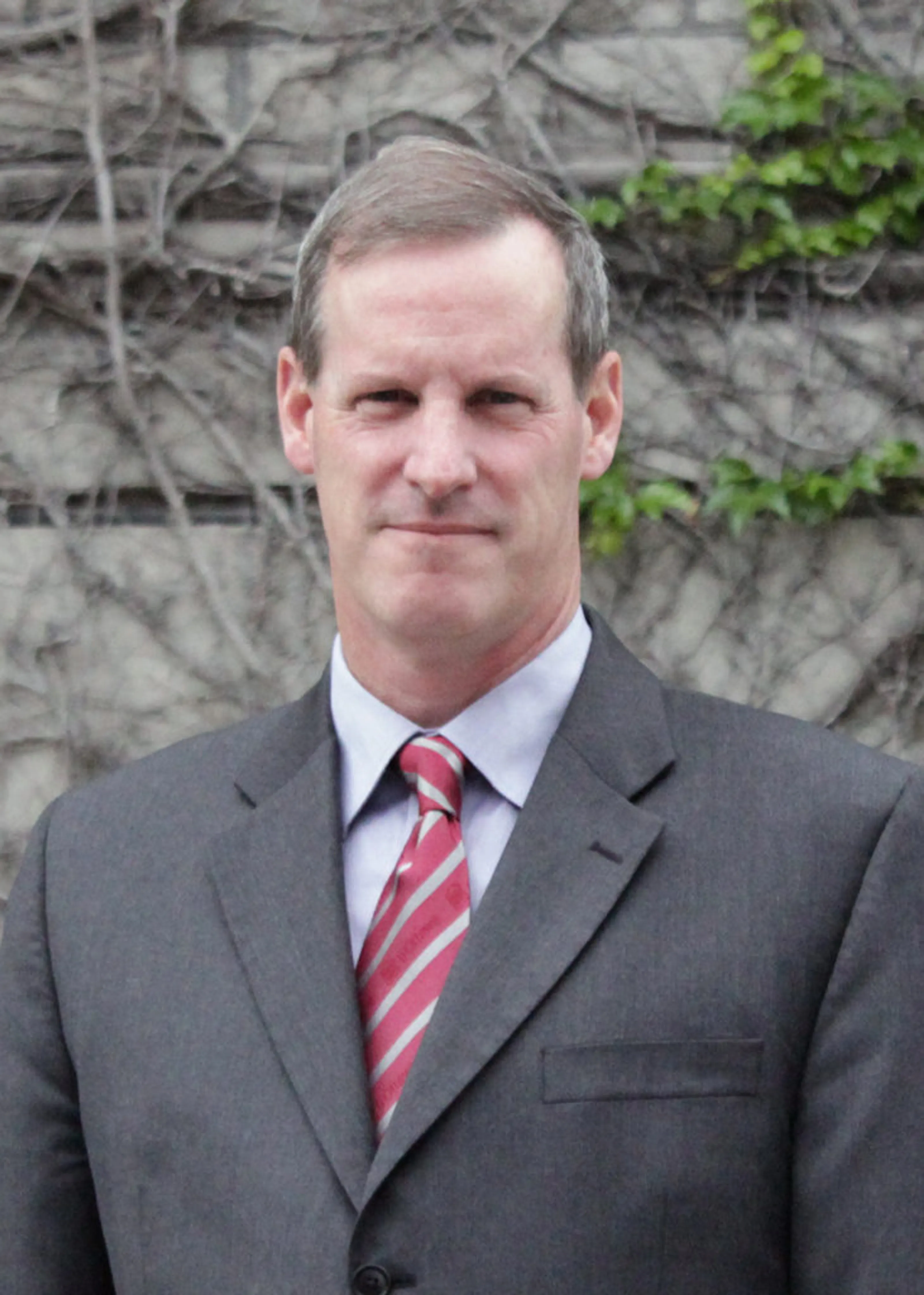
Mike Walker
Assistant Director, Business Development
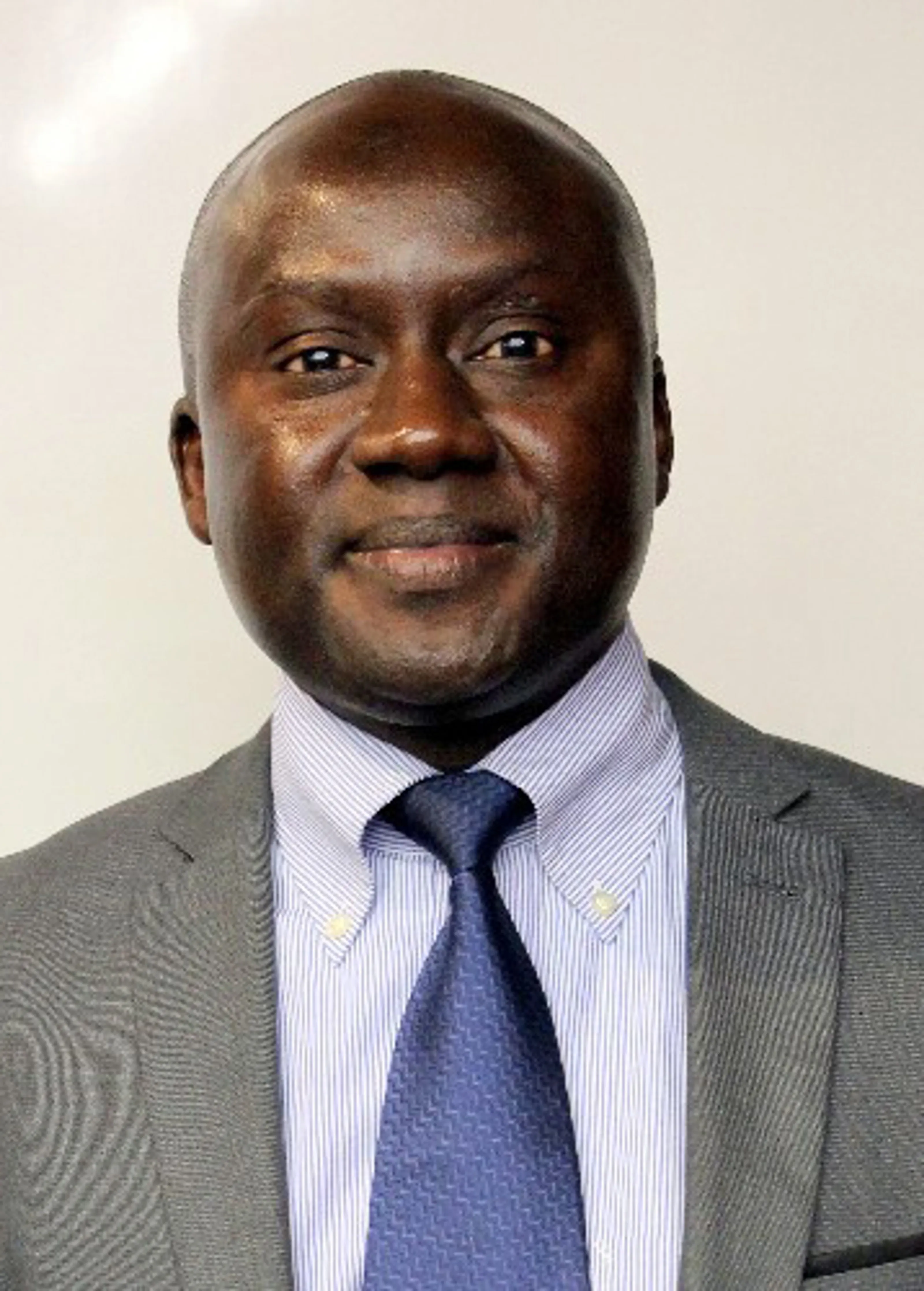
Cherif Aidara
Business Development Manager
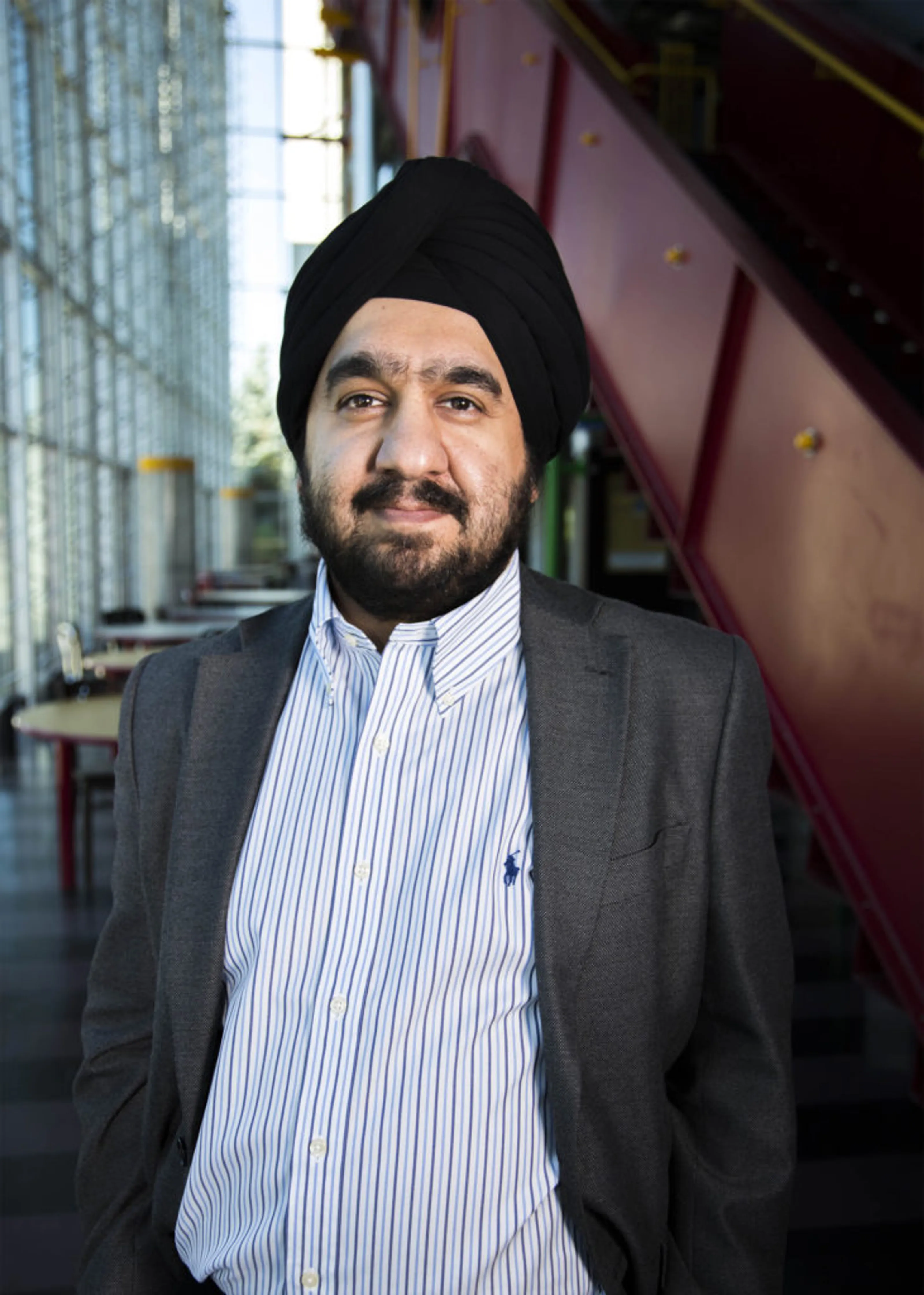
Jaipreet Bindra
Business Development Manager
2021 Summer School – Student Oral Presentations
July 9, 2021, 10:45 a.m.
Session chair: Hassan Allami, University of Ottawa
Multi-terminal solar cells fabrication with a wet etching process
Farah Ayari, S. Moreau, M. de Lafontaine, A. Turala, G.Hamon, M. Volatier, V. Aimez, A. Jaouad, M. Darnon
Université de Sherbrooke
CVD growth of high-quality graphene over Ge (100) by annihilation of thermal pits
Thierno M. Diallo, M.R. Aziziyan, R. Arvinte, R. Arès, S. Fafard, A. Boucherif
Université de Sherbrooke
Modeling efficiency of InAs-Based near-field thermophotovoltaic devices
Gavin Forcade (1), C. Valdivia (1), S. Lu (2), S. Molesky (2), J. Krich (1), R. St-Gelais (1), K. Hinzer (1)
(1) University of Ottawa (2) Princeton University
Power shift: Subcell segmentation and the potential for extreme solar concentration operation
Robert F.H. Hunter, C. E. Valdivia, L. S. Baribeau, K. Hinzer
University of Ottawa
Light trapping capabilities of different back reflectors in ultra-thin photonic power converters
Neda Nouri, C. E. Valdivia, M. N. Beattie, M. S. Zamiri, K. Hinzer
(1) Université de Sherbrooke (2) Laboratoire des Technologies de la University of Ottawa
Modeling hot-carrier solar cells with inter-valley scattering using an intermediate-band approach
Daixi Xia, J. J. Krich
University of Ottawa
2021 Summer School – Student Posters
July 9, 2021, 1:30 p.m.
Porous silicon pillars: A compliant substrate for defect-free heteroepitaxy
Alexandre Heintz (1), B. Ilahi (1), A. Barzaghi (2), G. Isella (2), A. Boucherif (1)
(1) Université de Sherbrooke (2) Politecnico di Milano
Design and fabrication of a nanowire-based betavoltaic device
Amanda Thomas, R. LaPierre
McMaster University
Bifacial photovoltaic performance with snow-induced time-varying ground clearance
Annie Russell, J. Haysom, K. Hinzer
University of Ottawa
Passive tracking system for integrated concentrator photovoltaics
David McShannon, A. De Leenheer, R. Kleiman
McMaster University
Wavelength-resolved encapsulated bifacial silicon heterojunction solar cell carrier loss
Erin Tonita (1), C. E. Valdivia (1), M. I. Bertoni (2), K. Hinzer (1)
(1) University of Ottawa (2) Arizona State University
RAN resource slicing in 5G using multi-agent correlated Q-learning
Hao Zhou, M. Elsayed, M. Erol-Kantarci
University of Ottawa
Absorption profile of doped highly mismatched alloys
Hassan Allami, J. J. Krich
University of Ottawa
Improvement of copper plating by plasma treatment for the metallization of heterojunctions solar cells
Herinirina Fanevamampiandra (1), M. Darnon (1), G. Hamon (1), M. Bonvalot (2)
(1) Université de Sherbrooke (2) LTM, CEA, Université de Grenobles Alpes
Energy management optimisation for photovoltaic systems
Mathieu Blanchard, R. Farhan, J. Trovao, M. Darnon
Université de Sherbrooke
Standardizing solar forecasting research practices using the ROPES guideline
Nick Anderson, H. Schriemer
University of Ottawa
Simulation of optical absorption in conical nanowires
D. Paige Wilson, R. R. LaPierreinzer
McMaster University
Tuneable thin film optical filter for standard photovoltaics
Paramita Bhattacharyya, R. Kleiman, P. Mascher
McMaster University
All activities were held online.
Questions or not sure if you’re a TOP-SET trainee? Please contact Christine Couture.
Email: sunlabadmin@uottawa.ca
Phone: 613-562-5800x7217
Address: SUNLAB, Advanced Research Complex, room 309,
University of Ottawa, 25 Templeton Street, Ottawa ON K1N 6N5